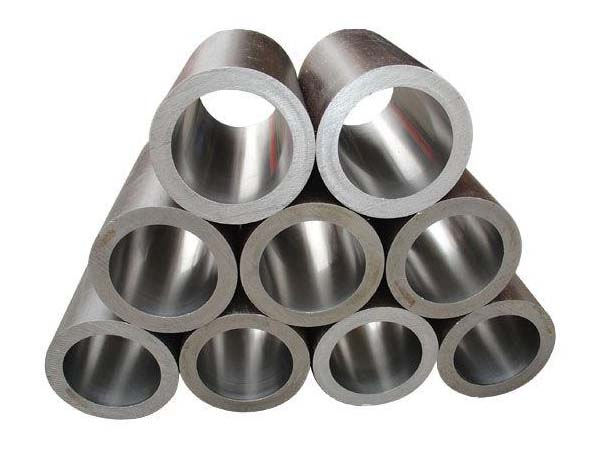
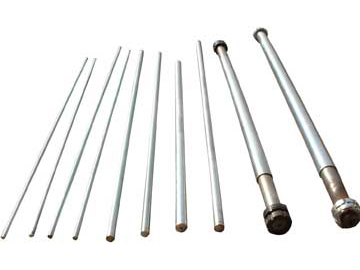
Complete Guide to Grinding Machine Operation: Standard Procedures and Safety Essentials from Preparation to Precision Grinding

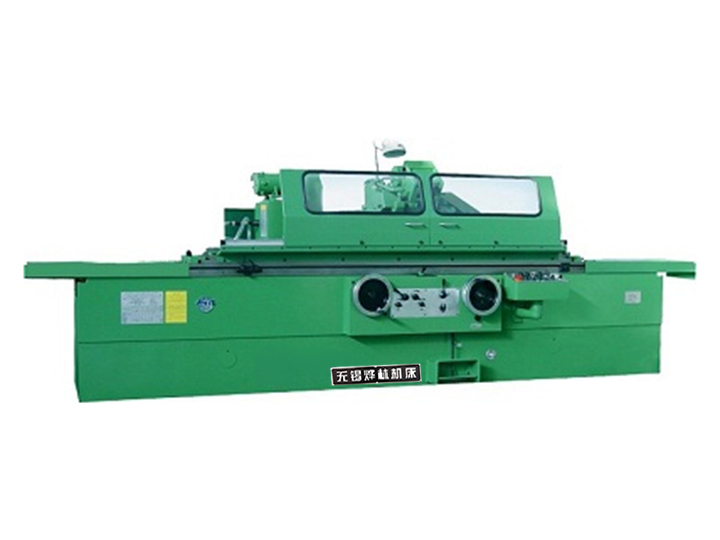
As a core equipment in the mechanical manufacturing field, grinding machines achieve precision grinding of workpiece surfaces. Their operation must strictly follow specifications to balance precision and safety. The following instructions cover five aspects: operational preparation, parameter setting, process control, problem handling, and safety regulations.

I. Pre-operation Preparation  
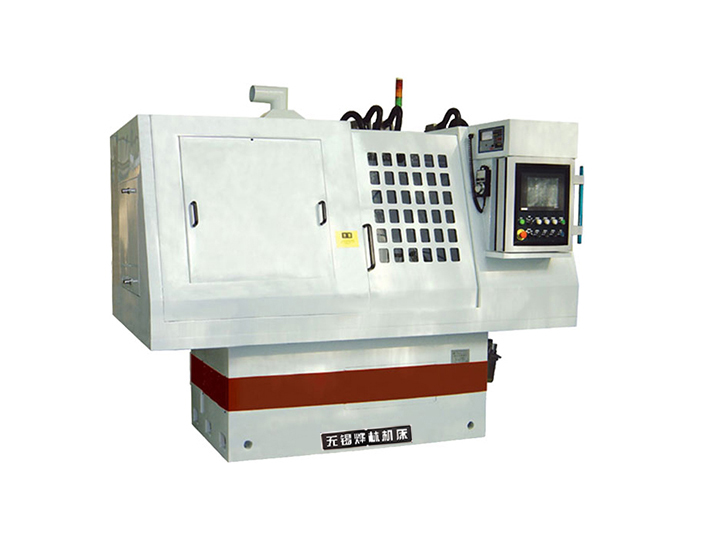
Before operation, thoroughly inspect the equipment status. Focus on confirming that the grinding wheel is free of cracks and securely installed, the coolant reserve is sufficient with unobstructed pipelines, the lubrication system operates normally, and electrical safety meets standards. Operators must wear protective glasses and avoid wearing gloves or jewelry that could be entangled to ensure personal safety.

II. Workpiece Clamping and Parameter Setting  

Workpieces must be firmly fixed using fixtures such as bench vices or electromagnetic chucks to ensure accurate positioning and moderate clamping force. Select the grinding wheel type, rotational speed, feed rate, and grinding depth based on workpiece material hardness, heat treatment condition, and processing requirements (e.g., rough grinding or precision grinding). Rough grinding can use a larger feed rate to improve efficiency, while precision grinding requires a smaller feed rate to ensure surface accuracy.

III. Grinding Process Control  

After starting, idle the grinding wheel for 1-2 minutes and confirm no abnormalities before grinding. Continuously monitor coolant flow and temperature during the process to ensure effective cooling and chip flushing. Simultaneously listen to the grinding sound and observe the spark pattern; immediately stop the machine if abnormal vibration or noise is detected. Regularly dress the grinding wheel (e.g., using a diamond pen) to restore its cutting performance and geometric shape.

IV. Common Problem Handling  

If vibration marks appear on the machined surface, check the grinding wheel balance, workpiece clamping stability, or machine tool foundation status. If surface roughness does not meet standards, optimize grinding wheel selection, adjust parameters, or increase coolant flow. Surface burns on workpieces are mostly caused by excessive grinding volume, overly hard grinding wheels, or insufficient cooling; reduce feed rate, replace with a softer grinding wheel, or enhance cooling.

V. Safety Regulations  

During operation, strictly prohibit contact with rotating components; measurement or adjustment must be performed with the machine stopped. After operation, promptly clean chips and coolant, reset the operating handle. Regularly lubricate moving parts to extend equipment lifespan.  

The efficient and safe use of grinding machines relies on standardized operation, meticulous parameter adjustment, and strict maintenance. For high-precision demand scenarios (such as aerospace and auto parts processing), it is recommended to select equipment with stable performance.
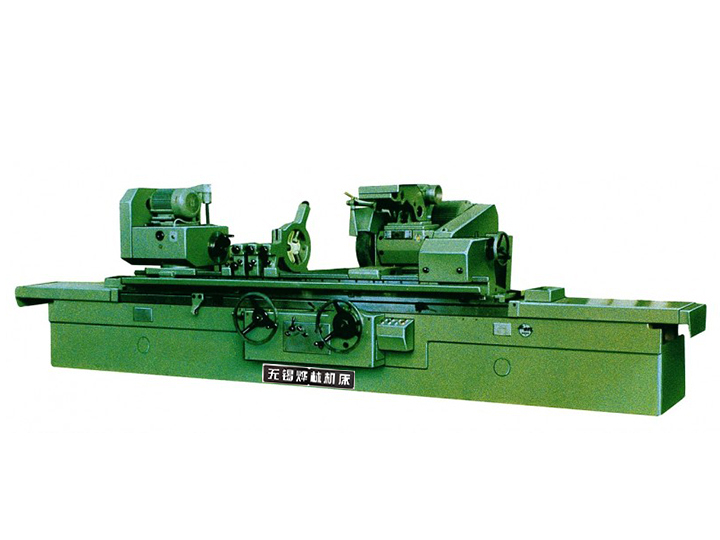
Comprehensive Analysis of Tool Grinders: From Core Functions to Selection Guide

Tool grinders are core equipment in the precision manufacturing field, specifically designed for grinding and dressing various metal cutting tools such as drills, milling cutters, reamers, taps, etc. Different from general-purpose surface or cylindrical grinders, they can efficiently handle the complex geometric shapes and cutting edge requirements of tools, serving as key instruments to enhance manufacturing processing standards.

Core Functions and Features

The core of tool grinders lies in high precision and flexibility. They support multi-axis linkage (e.g., 4-axis, 5-axis CNC control) to grind complex contours (such as ball heads, arcs, spiral grooves) with repeat positioning accuracy reaching the micrometer level, ensuring tool consistency. Equipped with dedicated fixtures (e.g., centers, dividing heads) and dressing devices (e.g., diamond rollers), these machines are highly versatile—by changing fixtures and programming, they can handle ranging from simple drills to complex formed milling cutters.

Main grinding objects include:

– Drills: Grinding of point angles, chisel edges, and clearance angles;

– End mills: Re-sharpening of end edges, peripheral edges, and ball heads;

– Reamers and taps: Dressing of guide cones, cutting cones, and angles;

– Turning tools: Processing of various insert shapes;

– Special tools: Such as step drills, broaches, etc.

Main Types and Selection Guide

Tool grinders are categorized into manual and CNC types:

– Manual Tool Grinders: Rely on operator experience, with axis movements controlled via handwheels. Advantages include low cost and high flexibility, suitable for small-batch repairs; disadvantages are low efficiency, poor consistency, and extremely high skill requirements.

– CNC Tool Grinders: The mainstream choice in modern manufacturing. Controlled automatically via computer programs, they offer high efficiency, high consistency (programs eliminate human errors), and complex processing capabilities. Integrated in-line measurement systems can automatically compensate for砂轮 wear, but equipment investment and programming maintenance costs are higher.

Key considerations for selection:

1. Processing requirements: CNC models are preferred for mass production or complex tools; manual equipment suffices for simple re-sharpening.

2. Precision requirements: High-precision scenarios (e.g., aerospace, medical devices) must use multi-axis CNC grinders.

3. Budget and skills: CNC equipment requires more capital investment and professional programming personnel.

Application Fields

Tool grinders are the “mother machines” of manufacturing, widely used in:

– Aerospace: Processing high-performance tools for difficult-to-machine materials like superalloys and titanium alloys;

– Automotive industry: Standard and non-standard tools for processing engine and transmission components;

– Mold industry: Ball-end mills and finishing tools required for precision molds;

– Medical devices: Micro-precision tools such as surgical instruments and bone drills;

– General machinery manufacturing: Production and maintenance of daily tools like drills and milling cutters.

Operation and Intelligent Trends

CNC tool grinders rely on CAD/CAM programming software (e.g., NUMROTOplus, ANCA TX) to define processes through 3D models and automatically generate code. Future trends include:

– Automation and Intelligence: Integration of automatic loading/unloading, real-time monitoring, and AI parameter adjustment to improve efficiency;

– Environmental Protection and Energy Saving: Low-energy designs (e.g., linear guide drive systems replacing traditional hydraulics) to reduce carbon emissions;

– High-Precision Development: Nanoscale precision and grinding capabilities for ultra-hard materials (e.g., PCD/CBN) have become competitive focuses.

Technological advancements in tool grinders directly drive the development of manufacturing toward higher precision and efficiency. Rational selection and operational training are crucial to unleashing their potential.

Spline Shaft Grinder: Analysis of Core Technology and Industry Applications for High-Precision Machining

The spline shaft grinder is a type of CNC machine tool specifically designed for precision grinding of spline shaft components, with machining accuracy reaching the micron level. It is a key equipment ensuring the performance and reliability of mechanical transmission systems. The following explanation is divided into four aspects: core principle, technical characteristics, application fields, and advantages.

1. Core Working Principle

The spline shaft grinder adopts the forming grinding process. Through the CNC system, it precisely controls the motion trajectory, feed rate, and cutting depth of the high-speed rotating grinding wheel to perform tooth-by-tooth grinding on the workpiece fixed on the worktable. The cross-section of the grinding wheel is dressed into a specific profile matching the tooth groove of the workpiece. Material removal is achieved through compound movements in the longitudinal, transverse, or radial directions, ultimately ensuring that the tooth profile accuracy, dimensional tolerance, and surface roughness meet the design requirements. The entire process relies on automated fixture positioning and online monitoring to achieve high-consistency machining.

2. Key Technical Characteristics

1. High-precision control: The precision transmission system (such as lead screws and gears) collaborates with CNC technology to eliminate human errors and ensure stable machining.

2. Automation and intelligence: Integrating automated fixtures and real-time detection systems to support automatic workpiece clamping and adaptive parameter adjustment, improving production efficiency and consistency.

3. Advanced grinding processes: For materials such as alloy steel and special metals, diamond or CBN grinding wheels are selected, combined with process optimizations like profile grinding and ultra-precision grinding.

4. Grinding wheel dressing technology: Using a diamond roller dresser for online dressing of the grinding wheel, restoring accuracy without disassembly, ensuring machining continuity and forming accuracy.

3. Main Application Fields

Spline shaft grinders are widely used in the manufacturing of high-precision transmission components:

– Automobile manufacturing: Precision machining of key components such as gearbox shafts and drive shafts.

– Aerospace: Manufacturing of high-performance parts such as engine drive shafts and landing gear actuators.

– Precision machine tools and instruments: Final precision grinding of core transmission elements like spindles and lead screws.

– Tool manufacturing: Machining and repair of precision tools such as spline broaches, plug gauges, and rolling wheels.

4. Core Advantages

With its high precision, high efficiency, high automation level, and strong adaptability, this equipment has become an indispensable tool in modern precision manufacturing. Its advantages include:

– Meeting the requirements of complex spline shapes and mass production;

– Reducing energy consumption through energy-saving design;

– Minimizing manual intervention to improve production stability and product consistency.

The technological evolution of spline shaft grinders continues to drive the progress of the precision manufacturing industry, providing key support for high-end equipment.

Analysis Of Core Advantages Of Aluminum Cylinder Tubes: Application Scenarios, Manufacturing Processes, And Selection Guidelines

Aluminum cylinder tubes are cylindrical components made of aluminum alloy materials. With characteristics such as lightweight, high strength, and durability, they have become key components in mechanical manufacturing and industrial equipment. Their wide applicability covers multiple fields including hydraulic systems, pneumatic tools, and heat dissipation devices. This article will systematically elaborate on the technical characteristics, application directions, and selection strategies of aluminum cylinder tubes, providing practical references for users.  

I. Core Advantages of Aluminum Cylinder Tubes

1. Lightweight and High Strength  

The density of aluminum alloy is only 1/3 that of steel, but after alloying treatment, its tensile strength can reach over 300MPa. This characteristic is particularly important in scenarios requiring weight reduction, such as automotive manufacturing and aerospace fields, where aluminum cylinder tubes can significantly reduce equipment weight and improve energy efficiency.  

2. Excellent Thermal Conductivity  

The thermal conductivity of aluminum is approximately 237W/(m·K), far exceeding that of most metal materials. This makes aluminum cylinder tubes the preferred choice in equipment requiring rapid heat conduction, such as radiators and engine cooling systems, effectively preventing component deformation caused by thermal stress.  

3. Corrosion Resistance  

The surface of aluminum alloy can naturally form an aluminum oxide protective layer, maintaining structural stability even in humid, acid, or alkaline environments. Through surface treatment processes such as anodization, its corrosion resistance can be further enhanced, extending service life.  

4. Flexible Machinability  

Aluminum alloy can be formed through casting, extrusion, and other methods to meet complex structural requirements. Subsequent machining processes such as turning and drilling can ensure dimensional accuracy, satisfying the assembly requirements of high-specification equipment.  

II. Analysis of Mainstream Application Fields  

1. Hydraulic and Pneumatic Systems  

As core components of hydraulic cylinders and pneumatic cylinders, aluminum cylinder tubes perform power transmission functions in construction machinery (e.g., excavator hydraulic arms) and pneumatic devices in automated production lines. Their lightweight design can reduce system inertia and improve response speed.  

2. Thermal Management Scenarios  

In cooling systems such as automotive radiators and air-conditioning condensers, aluminum cylinder tubes accelerate heat exchange high thermal conductivity. The high requirements for heat dissipation efficiency in the new energy vehicle field further promote their application in this scenario.  

3. Industrial Machinery Support Structures  

Aluminum cylinder tubes can serve as guide rails, brackets, and other components, providing stable support for precision instruments and equipment. Their low-density characteristic facilitates lightweight transformation of mechanical structures.  

III. Manufacturing Processes and Technical Key Points  

1. Selection of Forming Processes  

– Extrusion Method: Suitable for long pipes with regular cross-sections, enabling continuous production and controllable costs.  

– Precision Casting: Suitable for complex shaped parts, formed through sand casting or die-casting technology to reduce subsequent processing volume.  

2. Surface Strengthening Treatment  

Processes such as anodization and hard anodization can form a hardened layer of 10-30μm, increasing wear resistance by more than 3 times; epoxy resin coating is applicable to high-temperature and high-humidity environments to prevent chemical corrosion.  

3. Precision Control Standards  

The diameter tolerance of high-precision aluminum cylinder tubes should be controlled within ±0.05mm, and the straightness deviation should not exceed 0.1mm/m, ensuring matching accuracy with pistons and seals.  

IV. Scientific Selection and Usage Recommendations  

1. Material Adaptation Principles  

– 6061 Aluminum Alloy: Suitable for hydraulic systems in conventional environments, balancing strength and cost.  

– 7075 Aluminum Alloy: Applicable to high-strength scenarios such as aerospace and military industries, with tensile strength exceeding 500MPa.  

2. Working Condition Matching Strategies  

High-load equipment should select cylinder tubes with wall thickness ≥8mm; high-temperature environments recommend nickel plating or ceramic coating processes; scenarios with frequent movement should prioritize surface hardening treatment.  

3. Supplier Screening Criteria  

Key factors to consider when evaluating manufacturers include: industry certification qualifications such as IATF 16949 or AS9100, third-party testing reports (e.g., salt spray test data), customized design capabilities, and after-sales response efficiency.  

As the global manufacturing industry transforms towards high efficiency and energy conservation, the penetration rate of aluminum cylinder tubes in emerging fields such as new energy vehicles and intelligent equipment will continue to increase. Mastering their technical characteristics and making reasonable selections will provide strong support for enterprises to optimize equipment performance and reduce maintenance costs.

Linear Shaft: Core Component For Precision Motion And Selection Guide

In industrial fields such as automation equipment, precision machine tools, and medical instruments, linear shafts serve as core motion components, undertaking the critical task of achieving high-precision linear motion. Through their low-friction and high-strength characteristics, they ensure the long-term stable operation of mechanical systems. This article provides an in-depth analysis of the structural characteristics, application scenarios, and selection key points of linear shafts, offering practical references for industrial design and equipment maintenance.  

1. Core Characteristics of Linear Shafts

1. High Hardness and Wear Resistance  

Linear shafts are typically made of SUJ2 steel (equivalent to national standard GCr15), with a surface hardness of HRC60±2 and a hardened layer depth of 0.8-3mm, enabling them to withstand heavy loads and frequent motion while reducing wear during long-term use.  

2. Precision Machining Technology  

Through high-frequency heat treatment and precision grinding technology, the surface roughness of linear shafts is controlled within Ra0.10μm-0.35μm, and the straightness error is less than 70μm/1000mm, ensuring smooth motion without jitter, suitable for micron-level precision scenarios.  

3. Diversified Surface Treatments  

– Chromium-Plated Linear Shafts: Hard chromium plating on the surface of ordinary linear shafts improves rust resistance, suitable for harsh environments such as humidity and dust, commonly used in automated robotic arms and conveyor systems.  

– Stainless Steel Linear Shafts: Made of stainless steel, they possess corrosion resistance and acid-alkali resistance properties, suitable for scenarios with strict hygiene requirements such as medical equipment and food processing.  

4. Low-Friction Design  

Optimized geometric structures and surface treatment technologies significantly reduce the friction coefficient, minimize energy consumption, and extend the service life of supporting bearings.  

2. Main Application Fields of Linear Shafts  

1. Industrial Automation: Used in positioning and transmission components of manipulators and automated production lines to improve production节拍 and repeat positioning accuracy.  

2. Precision Machine Tools: As core components of CNC machine tool guide rails, they ensure cutting accuracy and processing efficiency.  

3. Medical Equipment: Achieve precise displacement control in sterile environments in devices such as surgical robots and testing instruments.  

4. Printing and Packaging Machinery: Ensure high-precision conveying and alignment of paper and materials, avoiding jamming or deviation.  

5. Special Environment Equipment: In marine engineering and chemical equipment, stainless steel or chromium-plated linear shafts can resist corrosion from corrosive media.  

3. Classification and Technical Selection of Linear Shafts  

1. Ordinary Linear Shafts (SF Type)  

Basic-type linear shafts suitable for scenarios with conventional load and precision requirements, such as conveyor belts and general machinery.  

2. Chromium-Plated Linear Shafts (SFC Type)  

Enhanced surface hardness and rust resistance through electroplating technology, suitable for dusty and high-humidity environments, commonly used in logistics sorting systems and outdoor equipment.  

3. High-Precision Linear Shafts  

With a straightness error of ≤50μm/300mm, they are used in ultra-precision fields such as semiconductor equipment and optical instruments.  

4. Hollow Linear Shafts  

Manufactured using warm forging technology, they balance lightweight and high strength, suitable for weight-sensitive aerospace equipment.  

4. Key Selection Factors and Precautions  

1. Load and Rigidity Matching  

Select the linear shaft diameter and material based on the maximum load of the equipment. For example, heavy-load equipment requires high-strength linear shafts with a diameter of ≥30mm to avoid deformation.  

2. Accuracy Grade Adaptation  

Ordinary equipment can use standard linear shafts with radial runout of 0.01-0.03mm; precision instruments require high-end models with runout ≤0.005mm.  

3. Environmental Adaptability  

In humid, high-temperature, or chemically corrosive environments, prioritize chromium-plated or stainless steel linear shafts and regularly inspect the surface condition.  

4. Installation and Maintenance Convenience  

Some linear shafts are designed as open or gap-type, supporting quick adjustment and replacement, suitable for equipment requiring frequent maintenance.  

Summary: As the “motion skeleton” of modern industry, the performance of linear shafts directly affects equipment efficiency and lifespan. Through reasonable selection, regular maintenance, and suitable surface treatment solutions, their technical advantages can be maximized, helping enterprises reduce costs and increase efficiency.

What to Consider When Buying LED Ring Lights for Makeup

1. Light Quality Essentials

  • Color Temperature (Kelvin/K): Choose a range of 3000K-6500K for versatility
    • 3000K-4000K (Warm Light): Best for evening makeup, creating soft, flattering glow
    • 4000K-5000K (Neutral Light): Ideal for everyday makeup application
    • 5000K-6500K (Cool Light): Perfect for daylight matching and photography
  • Color Rendering Index (CRI)Must be ≥90 for accurate color representation
    • CRI<90 causes skin tones and makeup colors to appear unnatural
    • Professional options achieve CRI 95-97+ for studio-level accuracy
  • Brightness Control: Look for 0-100% dimming capability with smooth transitions
    • Multiple brightness levels (10+ settings) allow precision matching to any environment

2. Size & Power for Optimal Coverage

  • Power Output15-25W is ideal for makeup application
    • Lower power (10-15W): Suitable for small spaces or travel
    • Higher power (30-65W): Better for professional use, eliminating shadows

3. Power & Portability Options

  • USB-Powered: Best for travel, desk use, or mobile setups
    • Works with laptops, power banks, or wall adapters (5V/2A minimum)
  • Battery-Operated: Provides mobility but check:
    • Battery Life: Look for ≥2 hours of continuous use
    • Rechargeable: Lithium-ion preferred over disposable batteries
  • AC Adapter: Offers consistent, flicker-free brightness for stationary setups

4. Design & Functionality Features

  • Adjustable Stand/Tripod:
    • Height adjustability (39-69″) for custom positioning
    • Stability is crucial for precise makeup application
  • 360° Swivel & Rotation:
    • Allows you to angle light perfectly to eliminate shadows
  • Phone/Tablet Mount:
    • Essential for makeup tutorials or self-recording
    • Look for universal fit (5.8-8cm width) to accommodate cases
  • Additional Features:
    • Remote control for hands-free adjustments
    • Memory function to save preferred settings
    • Built-in mirror for magnification (2-10x)

5. Practical Applications & Scenarios

  • Everyday Makeup: Neutral white (4000-5000K) with medium brightness
  • Evening/Party Makeup: Warm light (3000-4000K) for softer, more flattering effects
  • Photography/Video: Cool white (5000-6500K) to match daylight
  • Detail Work (Eyebrows, Lashes): Higher brightness with cool light for precision

6. Price Range Guide

  • Budget ($10-30): Basic models with limited features, lower CRI (80-85)
  • Mid-Range ($30-100): Adjustable color temperature, good CRI (90+), stable stands
  • Professional ($100+): High CRI (95+), premium construction, advanced controls

7. Final Checklist Before Purchase

✅ Color Temp Range: 3000K-6500K, adjustable

✅ CRI: ≥90 (ideally ≥95 for professional use)

✅ Brightness: 0-100% dimming with smooth transitions

✅ Size: 10-18″ depending on use (12-14″ for most needs)

✅ Power: USB/AC or battery (specify your priority)

✅ Stand: Adjustable height, stable base, 360° rotation

✅ Mounts: Phone holder and cold shoe for accessories

✅ Price: Aligns with your needs (don’t skimp on CRI and brightness)

Pro Tip: Test the light on your skin tones before finalizing. Good lighting should make your complexion look natural, not washed out or overly yellow.

What are the best ring lights for phone photography?

When it comes to phone photography, the best ring lights are those that offer adjustable lighting, portability, and ease of use. Here are some top recommendations:

  • APEXEL A60 Ring Light: This is a great choice for mobile macro photography. It features 32 LED beads, supports 10 levels of brightness adjustment, and allows for APP – synchronized dimming. It also has the function of switching between warm and cold lights, which can meet different shooting needs. The price – performance ratio is relatively high.

Neewer BR60: As a budget – friendly option, the Neewer BR60 is a compact ring light that is easy to use and highly portable. It is suitable for users who have limited requirements for lighting and are on a tight budget.

Neewer RP19H: Considered the best overall ring light, the Neewer RP19H has a color temperature range of 3200 – 5600K, with a peak brightness of 3000Lux/0.5m and a CRI of 97+. It comes with three cold – shoe mounts and smartphone mounts, and the color temperature and brightness can be adjusted in fine increments. However, it is relatively expensive and less portable.

Movo VGC – 3 Selfie Ring Light Kit: This kit includes a ring light and a phone mount, which can provide perfect lighting for photos and videos. It has adjustable brightness and color temperature settings, and is compact and easy to carry, making it suitable for on – the – go shooting.

Godox MF – R76: This is a professional – grade ring light that is very suitable for macro photography, such as shooting insects, jewelry, etc. It has a rich combination of configurations, is easy to install and remove, and can provide uniform and soft light.

Yangfeisi Live Streaming Stand Fill Light: This fill light comes with a stand, which is very practical. The light can adjust the brightness and color temperature, which is sufficient for shooting videos and self – portraits. The stand can be adjusted at will, and it is also convenient to store. It is very suitable for daily mobile phone photography and live streaming scenarios.

How to Choose the Right Weight Lifting Equipment

Selecting the right equipment depends on your training style, goals, and budget. Here are some key considerations:

Training Goals

  • Olympic weightlifting: Prioritize bars with rotating sleeves and bumper plates.
  • Powerlifting: Opt for stiff power bars with aggressive knurling and calibrated steel plates.
  • General strength training: Versatile bars and adjustable benches work best.

Space and Usage

  • Home gyms: Compact racks, adjustable benches, and multi-purpose bars save space.
  • Commercial gyms: Heavy-duty racks, multiple barbells, and a variety of plates accommodate high traffic.

Budget

  • Quality equipment is an investment. Brands like Rogue and Industrial Athletic offer durable gear that lasts years.
  • Consider bundles or kits for savings, like Gymreapers’ strength kits with belts, wraps, and straps.

Tips for Maintaining Your Weight Lifting Equipment

  • Regular cleaning: Wipe down bars and benches to prevent rust and wear.
  • Check collars and fasteners: Ensure collars are secure before each lift.
  • Store properly: Use racks and holders to keep your equipment organized and protected.
  • Inspect for damage: Replace worn plates or damaged straps promptly.

Choosing the right weight lifting equipment is essential for achieving your strength training goals safely and effectively. From the foundational barbells and plates to supportive belts and benches, investing in high-quality gear from trusted brands like Industrial Athletic, Rogue Fitness, Iron Company, and Gymreapers will elevate your workouts and boost your confidence.

The Ultimate Guide to Weight Lifting Equipment: Elevate Your Strength Training

Whether you’re a beginner stepping into the world of strength training or a seasoned athlete pushing your limits, having the right weight lifting equipment is crucial to your success. The quality, durability, and functionality of your gear can make or break your workout experience. From barbells and plates to benches and belts, every piece plays a vital role in maximizing performance and safety.

Essential Weight Lifting Equipment for Every Gym

1. Barbells: The Foundation of Strength Training

Barbells are the cornerstone of any serious weightlifting regimen. When selecting a barbell, consider:

  • Type of barbell: Olympic bars are designed for dynamic lifts such as the snatch and clean & jerk, featuring rotating sleeves for smooth movement. Power bars are stiffer with center knurling, ideal for heavy squats, deadlifts, and bench presses.
  • Material and finish: Chrome, black oxide, and zinc coatings offer varying levels of durability and grip.
  • Knurling: Ranges from light to aggressive, depending on your grip preference and training style.

Top brands like Industrial Athletic and Iron Company provide bars engineered for consistent spin, balanced knurling, and load stability. For example, Industrial Athletic’s Nitro-One barbell series is trusted by athletes from beginners to professionals for its precision and durability.

2. Weight Plates: Accurate Loading for Optimal Performance

Pair your barbell with quality weight plates to ensure accurate loading and safety. Options include:

  • Bumper plates: Ideal for Olympic lifts where dropping the bar is common; made from dense rubber to protect floors.
  • Steel plates: Durable and often calibrated for precision.
  • Podium series plates: Precision-calibrated plates like those from Industrial Athletic provide accurate weight distribution and prevent shifting during lifts.

3. Barbell Collars: Secure Your Load

Locking collars are essential for keeping plates firmly in place. Heavy-duty collars, such as Rogue’s magnetic or steel collars, ensure your weights don’t move during high-velocity lifts, enhancing safety and stability.

4. Weight Benches: Stability and Support

commercial-grade weight bench supports more than your body; it supports your progress. Look for benches with:

  • Dense padding for comfort
  • Reinforced steel frames for stability
  • Adjustable designs for versatility

Industrial Athletic’s HD Flat Bench 3.0 is an example of a bench designed to minimize flex and improve lift positioning, trusted by serious lifters worldwide.

5. Support Gear: Belts, Wraps, and Straps

Supportive gear enhances your lifting capacity and reduces injury risk:

  • Weightlifting belts: Provide core stability during heavy lifts. Gymreapers offers IPF-approved leather and lever belts with lifetime warranties.
  • Knee and elbow sleeves: Help maintain joint warmth and support.
  • Lifting straps: Improve grip strength for deadlifts and rows.
  • Wrist wraps: Stabilize wrists during pressing movements.

What are the advantages of using a pneumatic cylinder?

Pneumatic cylinders are widely used in industrial automation, manufacturing, and mechanical systems due to their cost-effectiveness, reliability, and ease of use. Below are their core advantages, tailored for practical application and export marketing:

1. Low Cost & Easy Maintenance

  • Affordable Initial Investment: Pneumatic systems use compressed air as the working medium, eliminating the need for expensive hydraulic fluids, pumps, or complex fluid handling components. Cylinder components (aluminum alloy barrels, rubber seals) are cheap to produce and source globally.
  • Minimal Maintenance Requirements: No fluid leakage risks; seals and fittings are the only wear parts, which are low-cost and easy to replace. No regular fluid replacement or filtration is needed, reducing long-term operational costs.
  • Low Downtime: Simple structure means troubleshooting is fast—ideal for high-volume production lines that require quick repairs.

2. High Safety & Environmental Friendliness

  • Explosion-Proof & Fire-Safe: Compressed air is non-flammable and non-toxic, making pneumatic cylinders suitable for hazardous environments (e.g., chemical plants, oil refineries, mines) where electric or hydraulic systems pose explosion risks.
  • Clean Operation: No fluid leakage to contaminate workpieces or production environments—critical for food processing, pharmaceutical manufacturing, and cleanroom applications.
  • Safe Overload Protection: Cylinders stall safely when overloaded (air compressibility absorbs excess force) without damaging the cylinder or connected equipment, unlike rigid electric linear actuators.

3. Fast Response & High Speed

  • Rapid Actuation: Pneumatic cylinders achieve fast linear motion speeds (up to 1 m/s or higher) due to the low viscosity of compressed air, enabling high-cycle operations in automation (e.g., pick-and-place machines, conveyor systems).
  • Instant On/Off Control: Simple valve operation allows immediate start/stop of cylinder movement, with minimal lag time compared to hydraulic systems (which require fluid flow regulation).

4. Lightweight & Compact Design

  • Lightweight Construction: Most pneumatic cylinders use aluminum alloy barrels and piston rods, making them much lighter than hydraulic cylinders of the same force rating. This reduces the load on supporting structures and simplifies installation.
  • Space-Saving: Compact dimensions and a wide range of mounting options (flange, clevis, foot mount) allow integration into tight spaces, suitable for small-scale machinery or portable equipment.

5. Simple Control & Easy Automation Integration

  • User-Friendly Control System: Basic operation only requires a compressor, directional control valves, and pressure regulators—no complex electronic controllers are mandatory (though they can be added for precision).
  • Seamless Automation Compatibility: Easily paired with magnetic switches, sensors, and PLC systems to achieve automated position detection, speed adjustment, and sequence control. Compatible with standard industrial communication protocols for smart factory integration.
  • Uniform Force Output: Stable thrust is maintained within the rated pressure range, ensuring consistent performance in repetitive tasks (e.g., clamping, stamping, sorting).

6. Durability & Wide Environmental Adaptability

  • Long Service Life: Chrome-plated piston rods and wear-resistant seals resist corrosion and friction, extending cylinder life to 10,000+ operating cycles in normal conditions.
  • Adapt to Harsh Environments: Can operate in extreme temperatures (-20°C to 80°C), dusty, or humid settings (with proper protection like dust boots). Stainless steel variants are suitable for marine or corrosive chemical environments.

7. Energy Efficiency & Scalability

  • Low Energy Consumption: Compressed air systems can recover exhaust air or use energy-efficient regulators to reduce waste. Unlike hydraulic systems, no energy is wasted on maintaining fluid pressure when idle.
  • Scalable Force Output: Adjust thrust easily by changing air pressure (thrust = pressure × piston area) without replacing the cylinder. Multiple cylinders can be synchronized to handle heavier loads.